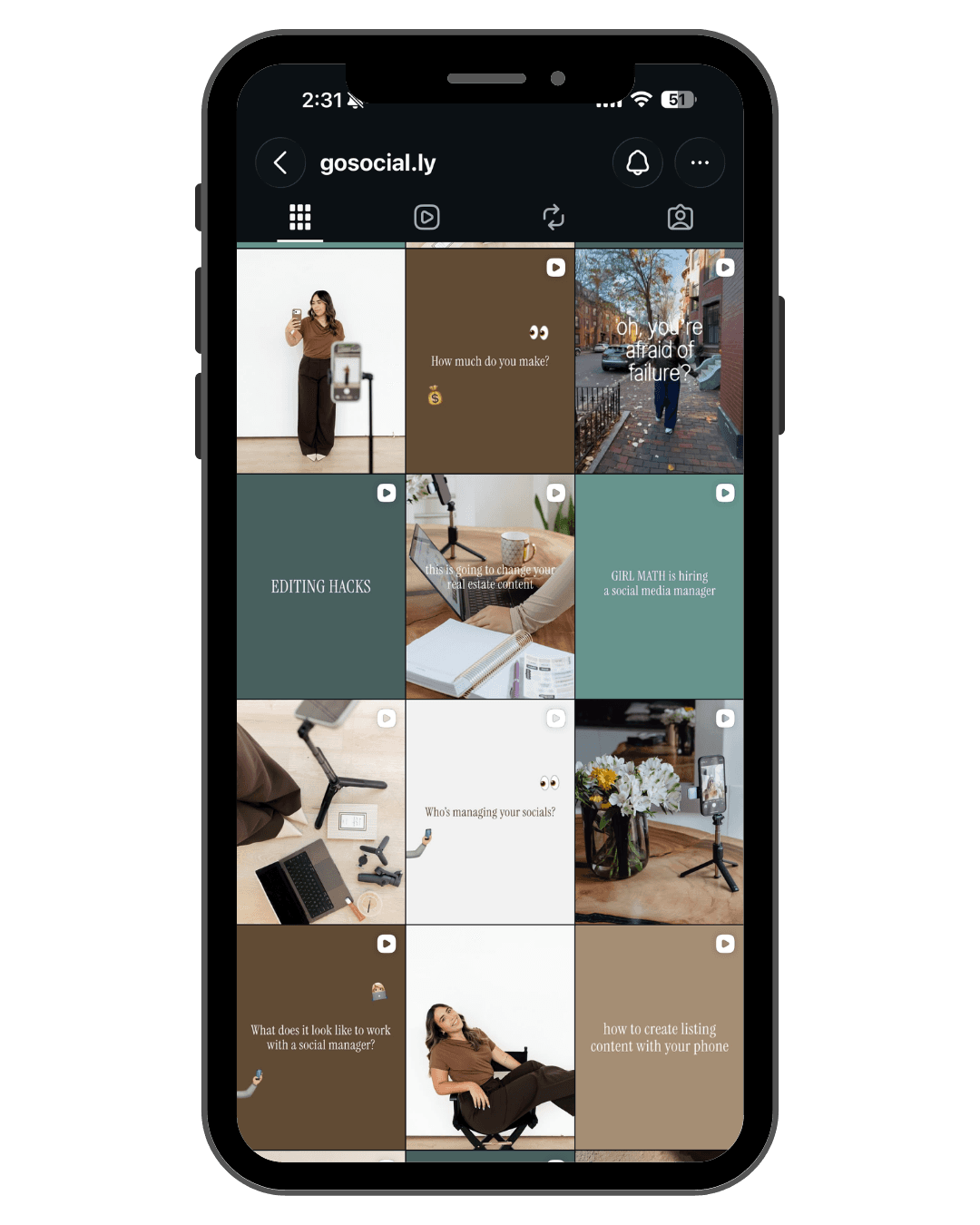
What social media optimization actually means
Social media optimization is not stuffing a bio with every version of the phrase Houston social media. It is a practical cleanup and planning process that helps a real person understand your business quickly, decide whether you are relevant, and take the next step. For a Houston service business, that means your profile, posts, website, and inquiry path should tell the same story. The goal is clarity and trust, not a promise that an algorithm will reward a certain number of hashtags or posts.
1. Make the profile answer the first questions
A prospective customer should be able to answer four questions without digging: What do you do? Who do you help? Where do you work? What should I do next? Use a recognizable name, a concise description of the service, a location or service-area cue that is true, and one useful link. If you serve Katy, Sugar Land, West Houston, or another part of the metro, name only the areas you genuinely serve. A clear profile reduces the work a visitor has to do before they decide to message or click.
The link destination matters just as much as the bio. Send a visitor to a page that matches the promise in the profile: a service page, booking page, portfolio, or contact form. Do not make someone land on a generic homepage and guess which button to press. Review the link on a phone, check that it loads quickly, and make sure the language on the page matches the offer in the social profile.
2. Build content around local decisions
A Houston audience is not one audience, and local content is more useful when it helps someone make a decision. A realtor can explain how two communities feel different. A medspa can clarify what a first consultation covers. A Pilates studio can show what a new client should expect. A home-service company can answer the questions people ask before requesting an estimate. These topics are stronger than generic motivational posts because they show what the business knows and how it treats customers.
Choose three to five repeatable content pillars. Useful pillars might be education, process, local context, proof, and invitation. Give each post one job and one next action. A post can ask people to save a checklist, send a question, view a service, or book a call. Not every post needs a sales pitch, but every post should earn its place by helping someone understand, trust, or remember the business.
3. Connect social media to local search
Social media and local search serve different jobs, but customers often use both. Someone may discover a business through a Reel, then search its name to check the website, reviews, hours, and location. Keep the business name, service language, contact details, and service area accurate across the website and Google Business Profile. Google says complete and accurate Business Profile information helps it match businesses with relevant local searches; that is a reason to maintain the profile, not a reason to claim that social posts directly control rankings.
Make your proof easy to verify. Show the real team, process, work, space, or customer experience with permission. Link to an appropriate page and keep reviews honest. If your profile or website says one thing while your latest posts say another, the visitor has to resolve the contradiction. Consistency across channels makes the business easier to evaluate.
4. Optimize the conversation, not just the post
A comment or direct message is often more valuable than another impression because it creates a chance to understand intent. Decide who responds, how quickly the business can respond during working hours, and which questions require a human expert. Use saved replies for simple logistics, but do not let a template make medical, legal, financial, pricing, or outcome promises that the business cannot support. A warm, specific answer is part of the customer experience.
5. Measure actions that match the goal
Use platform insights and website analytics to separate attention from progress. For awareness, review reach and video plays. For consideration, review profile visits, saves, shares, and website clicks. For conversion, track form submissions, calls, bookings, and the quality of inquiries. Compare similar content by job rather than declaring one format the winner because it received the most views. A local service post that generates two strong inquiries may be more useful than a broad post that generates a large but irrelevant audience.
A simple Houston optimization routine
Once a month, check the profile as if you were a new customer. Confirm the offer, location, link, hours, pinned posts, and highlights. Then review the last 10 posts: which questions did they answer, which audience did they serve, and what action did they invite? Keep a short list of real questions from calls, DMs, consultations, and sales conversations. Those questions are your next content brief. Small, repeated improvements are more sustainable than rebuilding the account every few weeks.
The Go Social.ly perspective
The best Houston social media optimization work is quiet and specific. It makes the right visitor feel that the business understands their situation, shows its work honestly, and offers a clear next step. Start with the profile and the customer journey, then build a content system around the expertise you already have. If you need help turning that system into polished content and consistent management, Go Social.ly can help you choose the right level of support.
The clearest strategy is the one your team can actually carry out.