Start with the audience and the next decision
A wellness studio does not need to speak to everyone who lives in Sugar Land. It needs to make the next decision easier for the people it can actually serve: choosing a first class, understanding the difference between formats, deciding whether the environment feels welcoming, or returning to a schedule that fits their life. The U.S. Small Business Administration recommends defining a target market and competitive advantage as part of a marketing plan. Apply that discipline before creating a content calendar. Write down who the studio is for, what the experience helps them do, and what makes this studio a credible choice.
Local relevance should be more than adding “Sugar Land” to every caption. Use the studio’s real service area, arrival experience, schedule, neighborhood context, and community relationships. Sugar Land’s official Parks and Recreation page, for example, lists 27 parks and more than 35 miles of trails. That does not prove that every studio serves runners, families, or park users, but it gives a studio a factual local context to explore if those connections are real. A trail-recovery conversation, outdoor mobility tip, or community event collaboration should only appear when it fits the brand and the audience.
Build four content pillars people can use
First-visit education should remove uncertainty. Explain what happens when someone arrives, what to bring, whether beginners are welcome, how to choose a class, and where to find the current schedule. These are strong Reel, carousel, Story, and FAQ topics because they answer questions before a prospective client has to send a message. Keep the language specific to the studio’s actual policies rather than promising an experience you cannot guarantee.
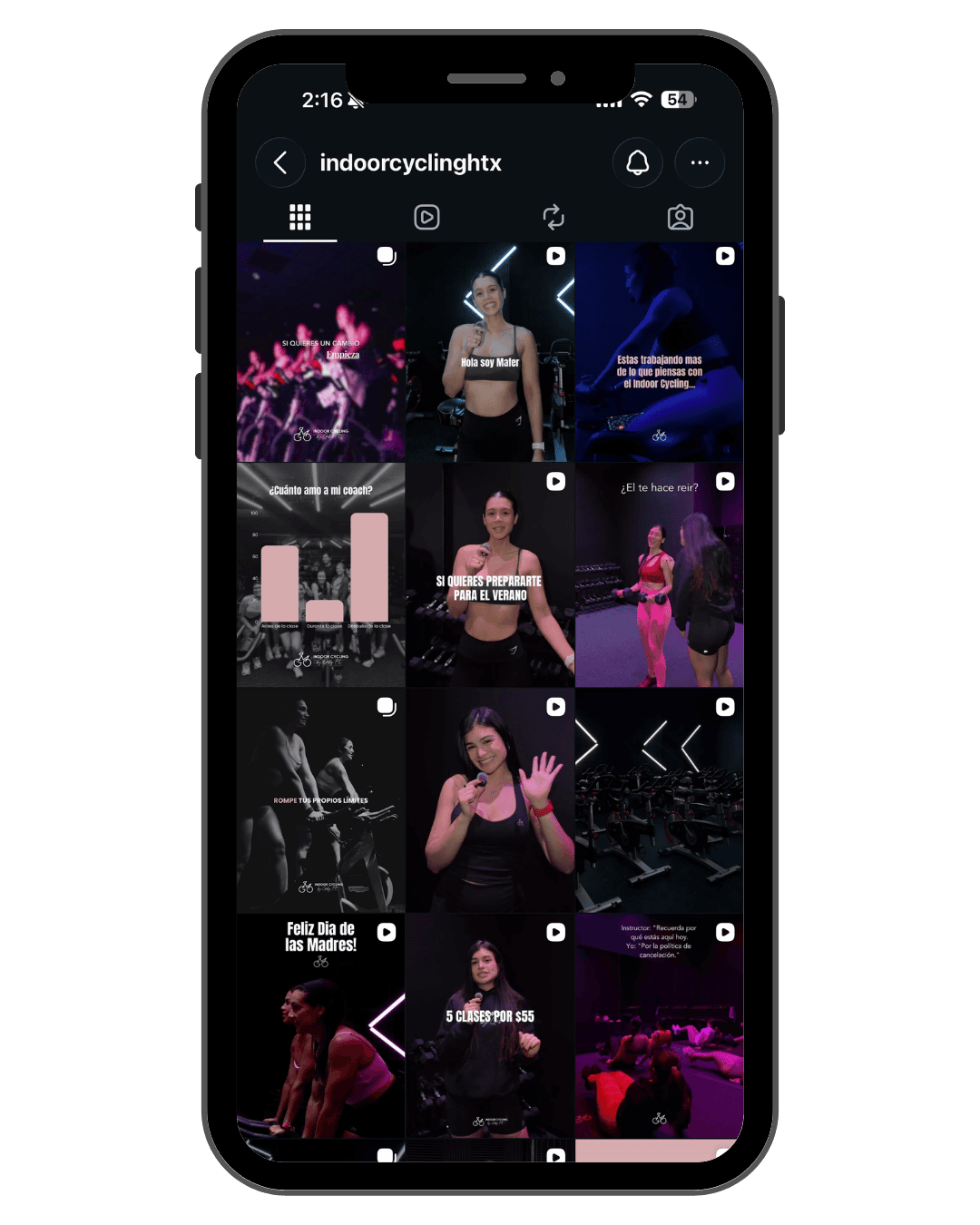
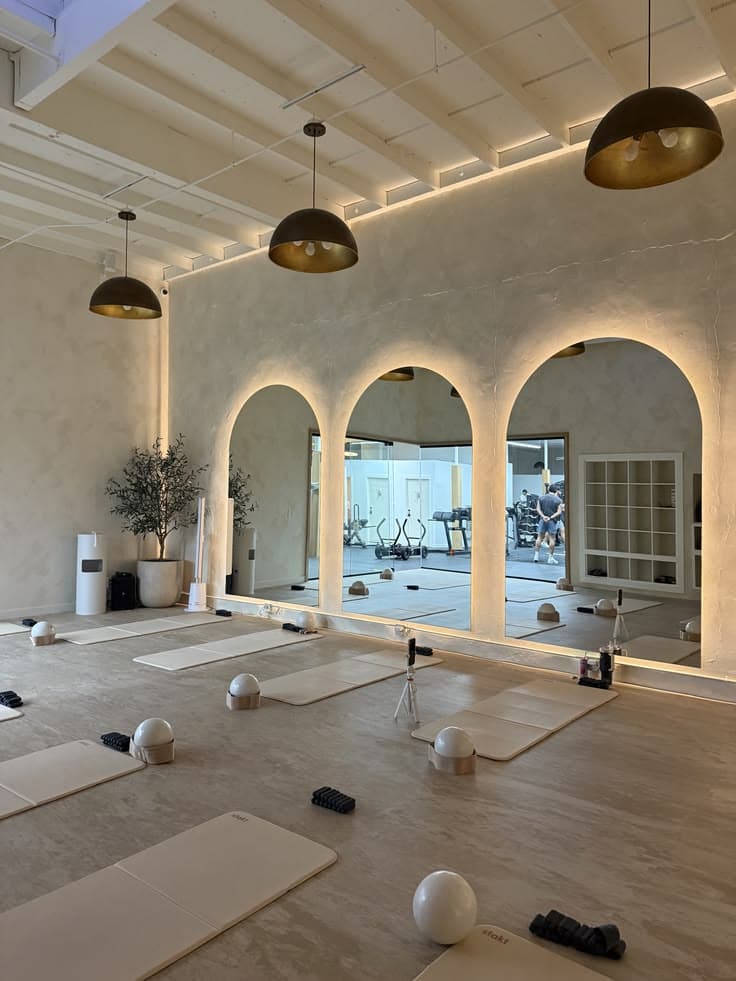
Second, show the people and the environment. Instructor introductions, thoughtful cues, the check-in experience, equipment details, and calm behind-the-scenes moments help someone picture themselves there. A polished studio feed should not make every frame look staged; it should make the real experience easier to understand. Film only with permission, avoid identifying clients who have not approved publication, and use captions that explain what a viewer is seeing.
Third, make the service understandable. Break down class formats, session length, membership options, private versus group experiences, and the questions a new client should ask. If the studio offers several paths, create a simple comparison post and link to the page where each option is explained. Fourth, publish community and proof content responsibly: events, collaborations, client stories with permission, and genuine reviews. The goal is not to manufacture urgency; it is to show how the studio supports people in a way that feels believable.
Connect social content to local discovery
Social media and local search should agree with each other. Google says local results are mainly influenced by relevance, distance, and prominence, and recommends keeping Business Profile information complete and accurate. That means a studio should check its name, category, address or service-area details, hours, phone number, website, services, and booking path before promoting a class or event. Do not promise that posting on Instagram will produce a particular Google ranking; use social content to make the brand clearer and the next action easier.
Google’s Business Profile guidance also supports updates, offers, and events with descriptions, photos or videos, and action buttons. A wellness studio can repurpose the same approved campaign idea across a Reel, a saveable class explainer, a Story reminder, and an accurately dated Business Profile post. Keep the destination consistent: if the post says “book a beginner session,” the click should lead to the beginner option rather than a generic homepage. Google notes that some posts are archived after six months, so evergreen information should live on a durable service page as well.
Create a small monthly system instead of chasing daily volume. One filming session can capture instructor voices, room details, movement demonstrations, first-visit guidance, and several quiet brand moments. Then assign each asset a job: awareness, consideration, or conversion. Keep a running list of questions from DMs, front-desk conversations, and instructors. Those real questions are usually more useful than generic trend prompts, and they give the next month’s content a clear reason to exist.
Protect trust in wellness marketing
Wellness content can cross into health-related claims quickly. The Federal Trade Commission says advertising claims must be truthful, not deceptive, and supported by appropriate evidence; its health-claims guidance is especially relevant when marketing products or services connected to health outcomes. A safer content process distinguishes between describing the studio’s experience and promising a medical or guaranteed result. “Here is how this class is structured” is different from “this class will fix your condition.” Route clinical questions and regulated claims to the qualified professional responsible for them.
Testimonials and creator collaborations need the same care. The FTC explains that material connections, including payment, employment, free services, or other value, should be disclosed clearly and conspicuously in social content. Do not hide a disclosure at the end of a video or behind a click. Do not edit a client story until it says something the client did not actually say, and never trade a discount for a positive review without checking the applicable rules and platform policies. Trust is part of the product a wellness studio is marketing.
Measure the path from attention to inquiry
Choose metrics based on the job of the content. For education, watch saves, shares, replies, and completion or retention signals. For discovery, review profile visits, branded searches when available, website clicks, and direction or call actions. For conversion, track booking-page visits, trial registrations, consultation requests, and qualified inquiries. A high view count can be useful, but it does not tell you whether the right person understood the offer or took the next step.
Use a simple monthly review: which questions were answered, which posts earned meaningful actions, which offers or classes received inquiries, and where people stopped. Compare content against the studio’s goal and seasonality rather than against a universal benchmark. Keep access to the account, analytics, creative files, and reporting history. If an outside partner manages the work, agree in advance on approvals, response ownership, usage rights, and what happens when the engagement ends.
A practical starting plan for a Sugar Land studio
For the first month, choose one primary goal, such as filling a beginner class or explaining a new service. Create three education posts, two instructor or studio-experience pieces, one clear offer or booking guide, and one community or client-proof post that has passed permissions review. Refresh the Business Profile details and add one accurate update or event when appropriate. Send every post to the same measurement plan, then use the questions and inquiries you receive to shape month two.
The right Sugar Land wellness studio social media marketing support may be a focused strategy project, a content day, or ongoing management. Go Social.ly works with wellness and fitness brands on strategy, content creation, and social media support across the Houston area. The best first step is the smallest scope that solves the current bottleneck while keeping the studio’s voice, approvals, and customer experience at the center.
The clearest strategy is the one your team can actually carry out.
Sources & further reading
- Google Search Central: Creating helpful, reliable, people-first content
- Google Business Profile Help: Tips to improve local ranking
- Google Business Profile Help: Create and manage posts
- U.S. Small Business Administration: Marketing and sales
- Federal Trade Commission: Advertising and marketing basics
- City of Sugar Land: Parks and Recreation